I have run plastic factories for over ten years. Everyone wants to use recycled plastics today. It is good for the environment. It also saves you a lot of money. But using regrind is not always easy. You need to know some tricks. Let us get started with my top tips.
Why Using Recycled Plastics in Your Injection Machine is the Future
I have run plastic factories for over ten years. Everyone wants to use recycled plastics today. It is good for the environment. It also saves you a lot of money. But using regrind is not always easy. You need to know some tips. Let us get started with my top advice.
Understand Your Recycled Material Types
Recycled plastic is not all the same. It comes from many sources. Some is “post-industrial regrind.” This is scrap from your own factory floor. It is usually clean and consistent. Other types are “post-consumer.” This comes from bottles or old products. It can have dirt or other plastics mixed in. Know your source well. This impacts your product quality.
Dry Your Recycled Plastics Extra Well
Recycled plastics often hold more moisture. Moisture is bad for molding. It causes bubbles in your parts. It makes your parts weak. Always dry your recycled material longer. Use a good hopper dryer. Make sure the air is hot enough. This step is super important. Do not skip it.
Mixing Ratios for Recycled Plastics in Your Injection Machine
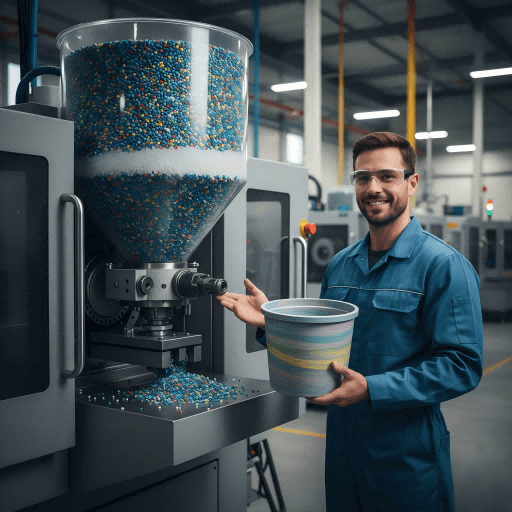
It is hard to use 100% recycled plastic. The quality can vary. It might affect your part strength. Most factories mix it. Start with a 10% or 20% mix of recycled material. Then slowly increase the amount. Test your parts at each step. This keeps your product quality high. It also saves you money on raw materials.
Watch for Contamination of recycled plastic molding
Bits of paper or metal can get into recycled plastic. These things damage your machine. They also ruin your finished parts. Use a magnetic separator in your hopper. This catches metal pieces. You might also need a screen pack. It filters out small dirt. Clean your machine barrel more often. This prevents ugly black specs in your products.
Consider Part Strength and Application
Is your part structural? Does it hold heavy weight? Then use less recycled content. Is it a simple lid or a flower pot? Then you can use more. Recycled plastic can be less strong. It is not always good for critical parts. Check the [Outbound Link: https://www.iso.org/standard/75015.html] ISO standards for recycled plastics before you start. Always test the final product’s performance. Never guess about strength.
Conclusion and Next Steps
Using recycled plastics is a big win. It reduces waste. It lowers your material costs. But you need to be smart about it. Pay attention to drying and mixing. Be careful with your machine settings. I hope these tips help your factory. [Internal Link: See our machines designed for various plastic types here.] If you want to talk about your specific project, contact us , We are here to help.