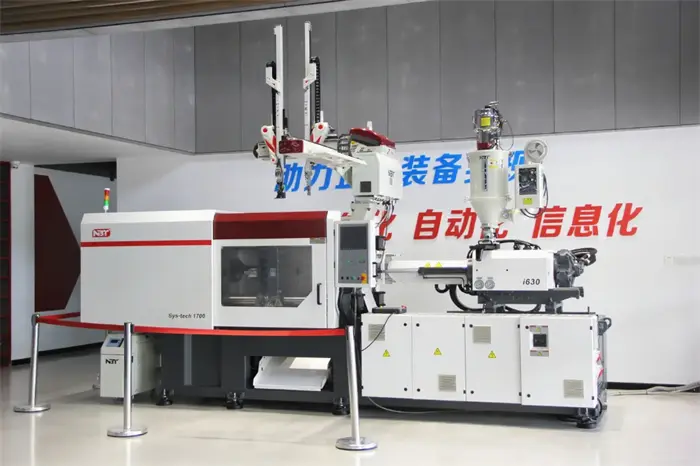
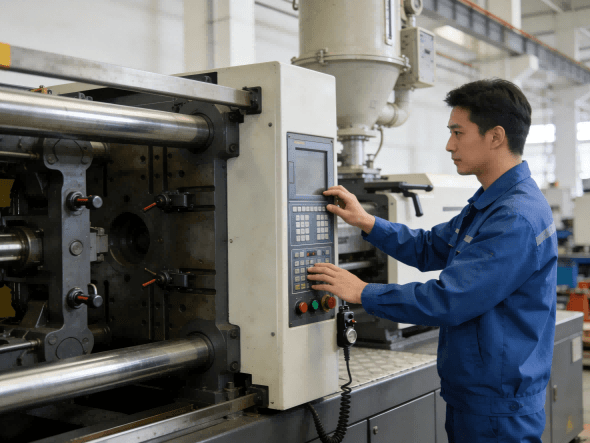
Buying a used injection molding machine often comes with the allure of a low price tag, but it’s easy to overlook hidden red flags that lead to costly downtime and unexpected repairs. This practical guide walks you through every essential inspection step, rooted in real factory floor experience and proven assessment tactics, to help you make a confident, budget-smart choice when buying a used injection molding machine. We focus on actionable, field-tested advice to help you steer clear of faulty units and invest in a machine that supports consistent, long-term production.
1. Tonnage Verification for Buying a Used Injection Molding Machine
Tonnage is the make-or-break spec for buying a used injection molding machine. Never rely solely on the seller’s listed claims. Always verify clamping force with hands-on testing. Hire a third-party inspector for accurate results. Mislabeled tonnage renders the machine unfit for production. Tonnage must match your part size and plastic material. Cutting corners here ruins daily production efficiency. The Plastics Industry Trade Association offers a free guide to matching machine tonnage with part requirements.
2. Maintenance History: A Must for Any Used Injection Molding Machine
A used injection molding machine’s history reveals its true condition. Missing maintenance records are a major red flag. Look for proof of lubrication, filter changes and inspections. Well-cared-for older machines outperform neglected newer units. Request a full production test if records are unavailable. This test uncovers hidden leaks, slow cycles and performance flaws.
3. Core Component Inspection for a Pre-Owned Injection Molding Machine
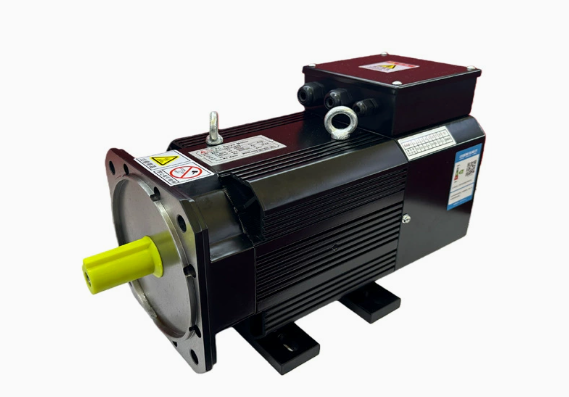
Minor cosmetic wear won’t ruin a pre-owned injection molding machine. Severe core component damage means instant repair costs. Focus on three key parts: pumps, motors and clamping units. Watch for fluid leaks, rust, worn seals and loose wiring. Faulty servo motors make grinding or odd noises. Heavily worn parts aren’t worth the investment unless deeply discounted.
4. Compatibility Testing for Your secondhand injection molding equipment
A pristine used plastic injection machine can still be useless. It must fit your molds and process your plastics. Check shot size to avoid material waste and bad parts. Confirm it handles high-temp materials like PET or nylon. Verify mold mounting dimensions to avoid costly modifications. Double-check compatibility to steer clear of budget surprises.
5. Age and Run Hour Assessment for choosing a used plastic injection machine
Operating hours matter more than a machine’s manufacturing age. Low hours on an older model beat high hours on a new one. Ask the seller for verified run hour readings. Continuous production wears equipment faster than batch work. Check part availability for machines over 15 years old. Vintage models often lack replaceable components. IndustryWeek offers lifespan and run hour benchmarks.
6. Seller Vetting for investing in pre-owned injection molder
Seller credibility matters as much as machine quality. Avoid unvetted private sellers with no industry background. Stick to reputable dealers or upgrading manufacturing shops. Trusted sellers allow full inspections and share records. Many offer a 30-90 day warranty for peace of mind. Skip sellers who rush sales or refuse inspections. Post-purchase support helps small shops without in-house tech teams.
7. Total Cost of Ownership for a Used Injection Molding Machine
Fixating only on sticker price is a top buyer mistake. Calculate total ownership cost for a used injection molding machine. Add repairs, shipping, installation and ongoing maintenance. Compare this total to a new entry-level machine’s cost. A pricier new machine often saves money long-term. It includes a warranty and zero immediate repair bills. Don’t buy a machine that drains funds with constant downtime.
Final Thoughts: Buy Smart, Not Just Cheap
Buying a used injection molding machine is a smart budget move. It works for startups and established manufacturing shops. Diligence beats low prices for a successful purchase. Stick to these seven critical checks for reliable results. Avoid impulse buys and costly equipment failures. Our team offers unbiased inspection guidance. We help you find a durable, high-performing pre-owned machine. Contact us during business hours for tailored support.