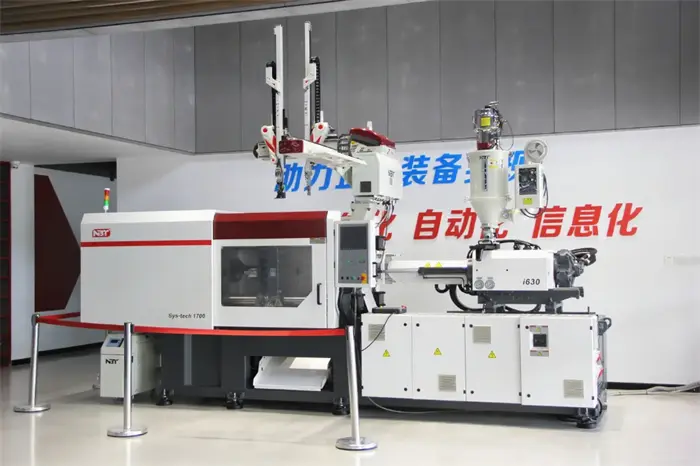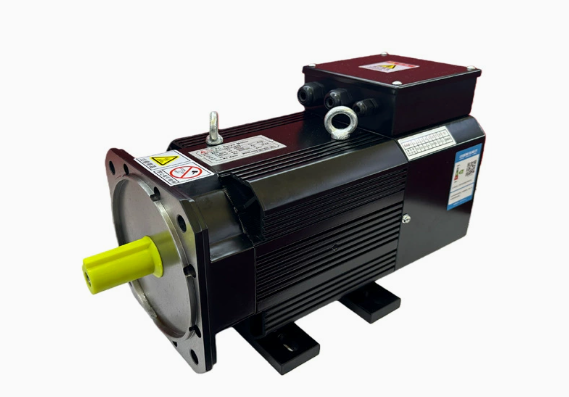
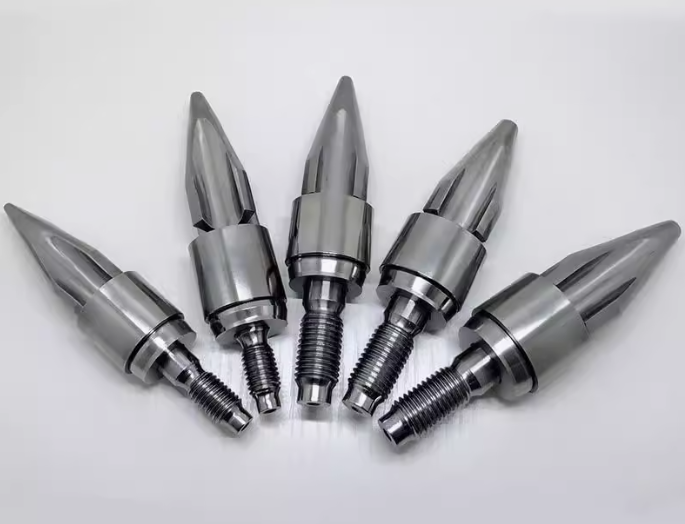
Ever had one of those days where your injection weights are all over the place? One shot is perfect, the next one is short, and your “cushion” is moving like it’s got a mind of its own. Most people’s first instinct is to blame the material. But usually, the real culprit is non-return valve wear injection molding issues—or what we call “rocket head” wear.
At NBT Machine, we tell our clients: don’t tear the machine apart yet. You can diagnose non-return valve wear injection molding directly from the controller in 5 minutes.
How to Test for Non-Return Valve Wear Injection Molding
You don’t need to be a senior engineer. This “Static Pressure Test” quickly shows if your check valve is leaking backward. If you are inspecting your Injection Molding Machines, this is the first step.
Here is exactly how you do it:
- Preparation: Heat the barrel to the normal running temperature for your material.
- Manual Mode: Ensure your nozzle is tight against the mold or a purge block.
- Hold Pressure: Manually inject until the screw stops. Hold the injection button at 50% max pressure for 15 seconds.
- Result: If the screw creeps forward, you have confirmed non-return valve wear injection molding. The plastic is slipping past the ring.
Why Check Valve Wear Affects Your System
Sometimes, a valve looks “okay” visually, but microscopic pitting causes a drop in pressure. According to process experts at Plastics Technology Online , stability is key. If your system is failing, check if your Auxiliary Machines like chillers are stable too.
Stop Wasting Money on Screw Slippage
Ignoring non-return valve wear injection molding means more scrap and higher energy bills. If your test shows the screw is creeping, it’s time to upgrade your equipment. At NBT Machine, we provide high-performance solutions to keep your shop running.
Send us a WhatsApp message,if you need help with your machine setup.